Hours:
Mon-Friday 9am - 6pm
Saturday 9am - 2pm
Sunday Closed
Follow Us On:
Kressaty’s Pharmacy
Serving Haskell with Personalized Care &
Free Delivery
At our Kressaty's pharmacy in Haskell, we create tailored medications to meet your unique healthcare needs. Trust us as your local pharmacy, safe, effective, and personalized solutions that prioritize your well-being.
Providing Personalized Care and Trusted Solutions.
At our Kressaty's pharmacy, we create tailored medications to meet your unique healthcare needs. Trust us for safe, effective, and personalized solutions that prioritize your well-being.
Explore Our Services
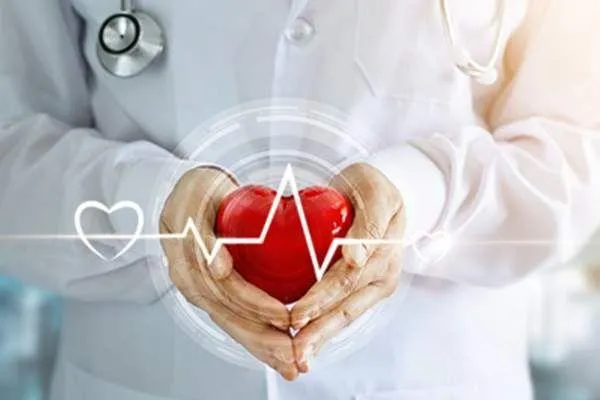
Comprehensive health assessments to detect potential medical conditions early. Our screenings include blood pressure checks, cholesterol tests, blood glucose monitoring, and more. Tailored for individuals and corporate wellness programs, these tests help you stay proactive about your health with accurate, confidential results.
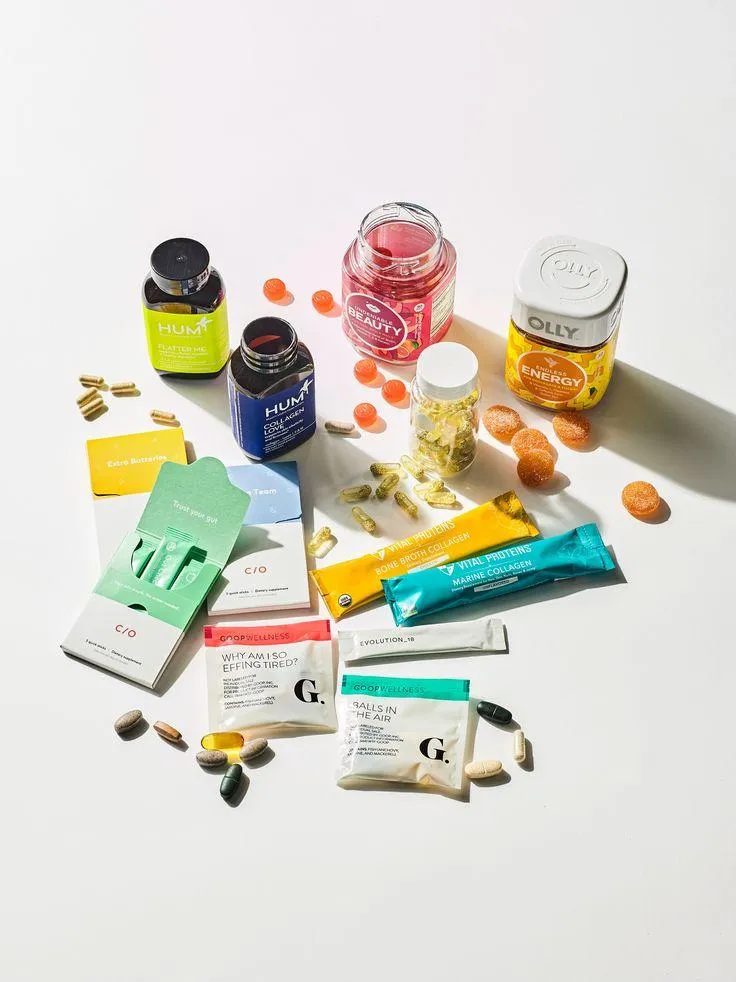
Access trusted healthcare and wellness brands all in one place. We partner with top pharmaceutical and medical product manufacturers to provide high-quality medications, supplements, and health essentials. Whether you need prescription drugs or over-the-counter products, we ensure authenticity and reliability.
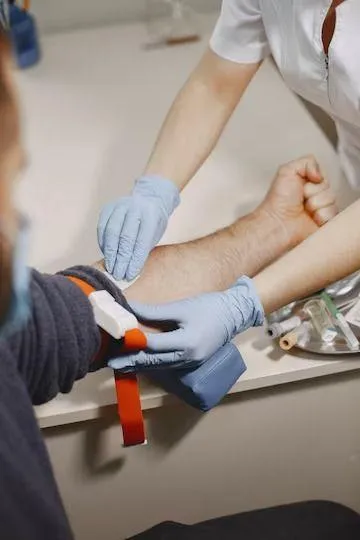
Protect yourself and your family with our vaccination services. We offer flu shots, travel vaccines (e.g., yellow fever, hepatitis), and routine immunizations (e.g., HPV, tetanus). Administered by certified professionals in a safe, sterile environment.

Convenient access to a wide range of non-prescription medications for common ailments like colds, allergies, pain relief, and digestive issues. Our pharmacists can guide you to the right OTC solutions, ensuring safe and effective self-care.
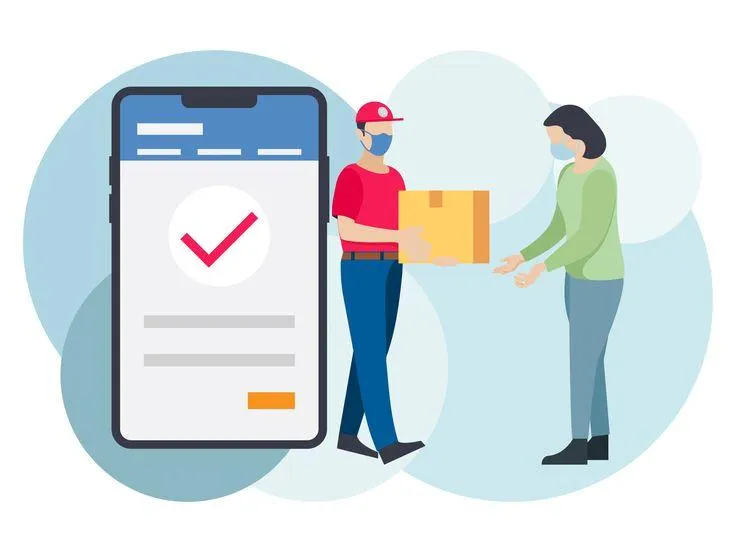
Enjoy hassle-free healthcare with our complimentary delivery service. Prescriptions, OTC medications, and wellness products are brought straight to your doorstep—fast, discreet, and with no extra cost. Perfect for busy individuals or those with limited mobility.
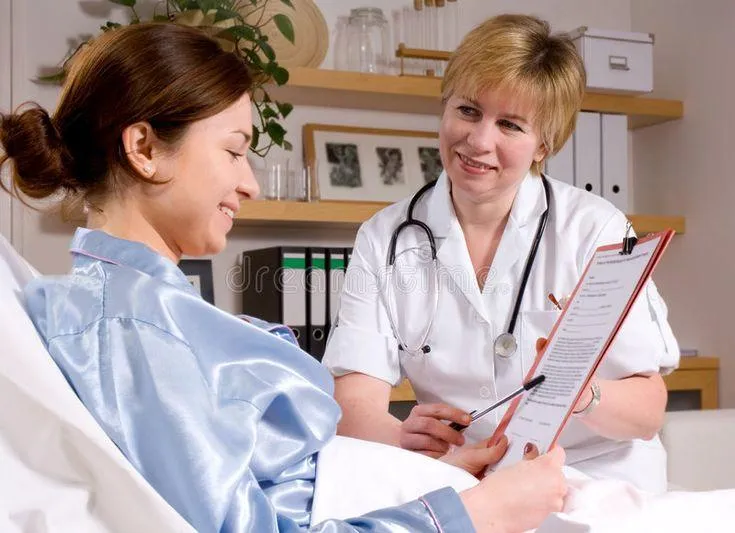
Personalized one-on-one consultations with healthcare experts. Discuss medication management, chronic conditions, or general wellness strategies. Our goal is to empower you with knowledge and customized care plans for optimal health outcomes.
Kressaty’s Pharmacy: Your Trusted Neighborhood Healthcare Partner
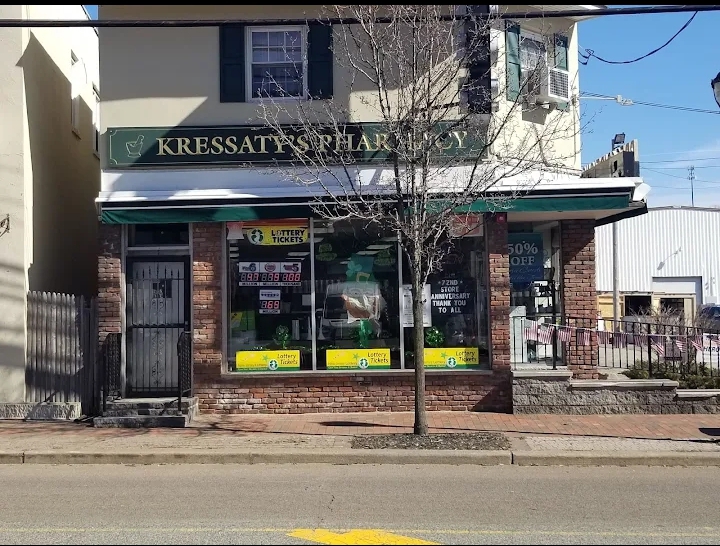
For nearly seven decades, Kressaty’s Pharmacy has been a cornerstone of health and wellness in our community, carrying forward Fred Kressaty's original vision of compassionate, personalized care. We blend time-honored values with modern healthcare solutions, offering expert prescription services, immunizations, health screenings, and quality wellness products – all delivered with the personal touch that's made us a trusted neighborhood institution.
Our dedicated team provides the same attentive service that generations have come to rely on, now enhanced with convenient offerings like free local delivery. At Kressaty’s, we're proud to continue a tradition of putting your health first, just as we've done for nearly 70 years.
Visit us today and experience healthcare the way it should be – where you're not just a patient, but part of our family.
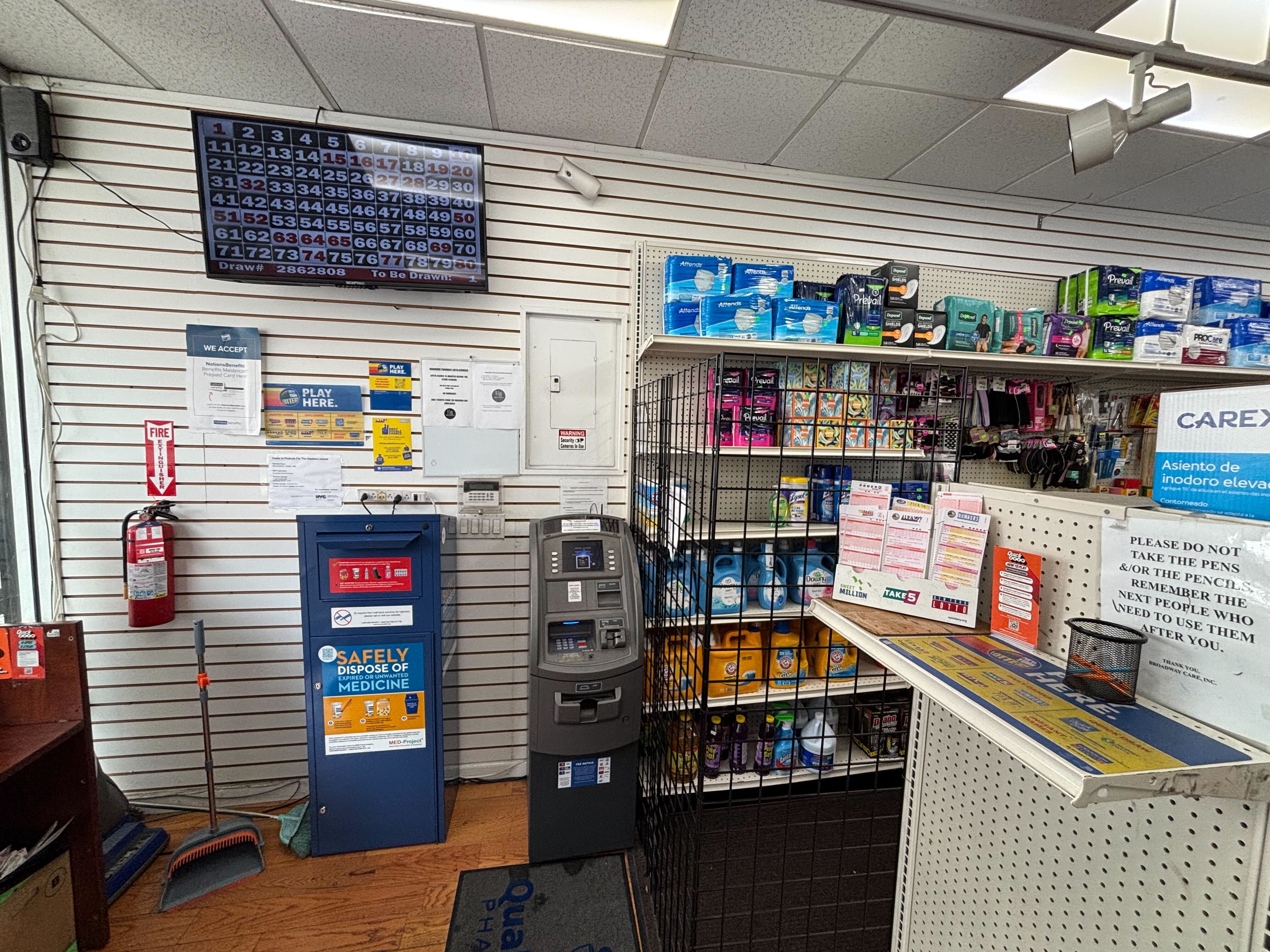
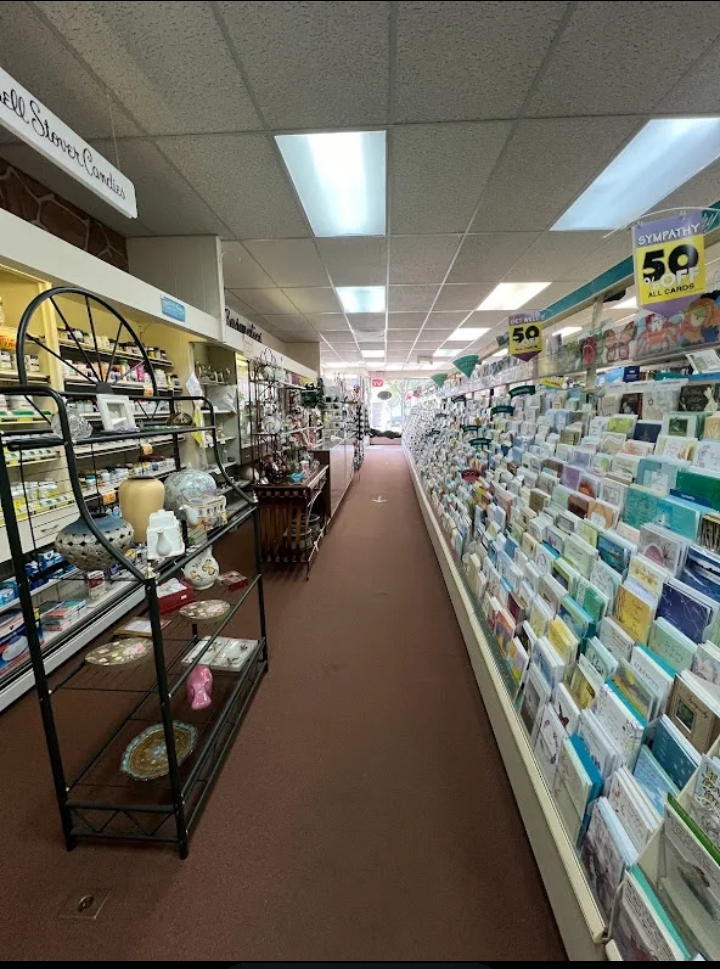
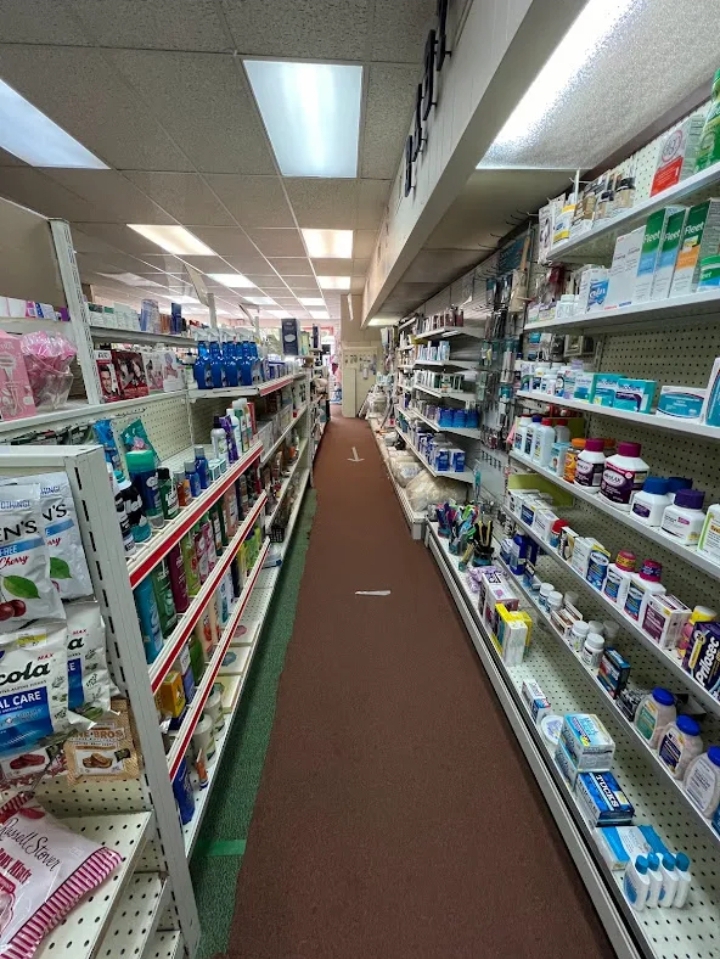
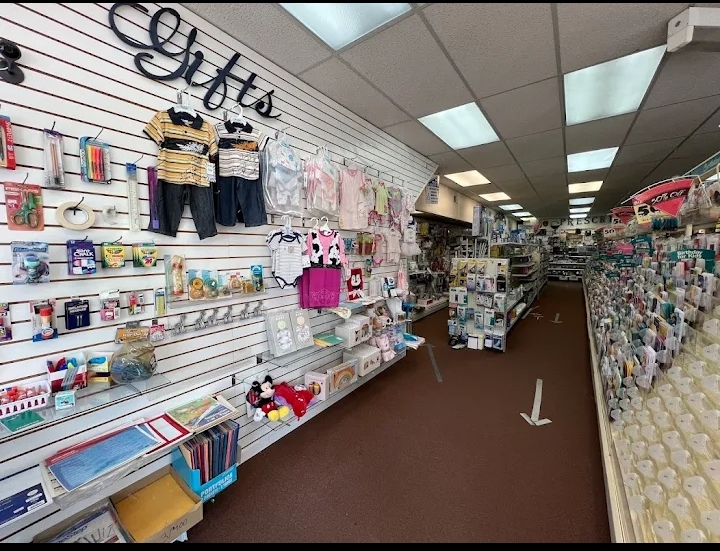
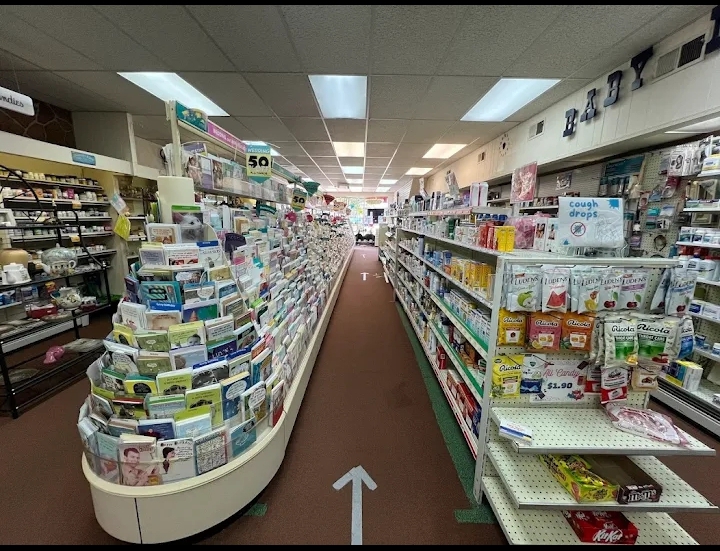
What Sets Us Apart

Free Rx Delivery – Straight to Your Door
Medication Reviews – Safe & Effective
Prior Authorization Help – Faster Approvals
Blister Packs – Simplified Daily Doses
Generics & Diabetic Supplies – Affordable Care
Vaccines Here – Flu, COVID & More
Insurance Welcome – Easy Transfers
Fast Refills – No Wait, No Stress
Vitamins & Supplements – Wellness Made Easy
Our Mission
To Know You and Care for You
We believe great healthcare begins with knowing the person behind the prescription. Our pharmacists take time with every patient - reviewing medications, answering questions, and providing wellness guidance tailored to your unique health journey.
To Serve as Your Health Ally
As your neighbor since 1947, we've grown alongside our community. We remember your family's health history, celebrate your milestones, and stand ready to support your wellbeing through every life stage.
To Honor Tradition While Embracing Progress
While maintaining Fred Kressaty's original values of compassion and integrity, we continually enhance our services to meet modern needs.At Kressaty's, your health isn't just our business - it's our calling.
Generic vs. Brand-Name Drugs: Are They Really the Same? A Pharmacist's Honest Answer
Generic vs. Brand-Name Drugs: Are They Really the Same? A Pharmacist's Honest Answer
Understanding the Basics: What Makes a Brand "Brand" and a Generic "Generic"?
The fundamental difference between a brand-name drug and its generic counterpart often comes down to timing and marketing, not necessarily the active medicine itself. When a pharmaceutical company develops a new drug, they invest billions in research, development, and clinical trials. If successful, they are granted a patent, which gives them exclusive rights to sell that drug for a specific period, typically around 20 years. During this time, they market it under a unique "brand" name – think Advil, Lipitor, or Zoloft. The high price reflects the massive investment in bringing that drug to market. Once the patent expires, other pharmaceutical companies can apply to the FDA to manufacture and sell their own versions of the drug. These are what we call generic drugs. They contain the exact same active ingredient as the original brand-name drug. The key here is that they don't have to repeat the extensive and costly research and development process, which is why they can be sold at a significantly lower price point.Are Generic Drugs Safe? Debunking Myths with FDA’s Strict Standards
This is arguably the most critical question people ask, and it deserves a straightforward answer: Yes, `are generic drugs safe`? Absolutely. In the United States, the Food and Drug Administration (FDA) has an incredibly rigorous approval process for generic medications. It's a common misconception that generics are somehow "lesser" quality or less effective because they're cheaper. This couldn't be further from the truth. For a generic drug to be approved by the FDA, it must meet several strict criteria:- Bioequivalence: This is the cornerstone of generic drug approval. The generic must deliver the same amount of active ingredient into the bloodstream in the same amount of time as the brand-name drug. This ensures it will have the same therapeutic effect.
- Same Active Ingredient: Generics must contain identical amounts of the same active ingredient as the brand-name version.
- Same Dosage Form and Route of Administration: If the brand-name drug is a tablet taken orally, the generic must also be a tablet taken orally.
- Same Strength and Intended Use: The generic must be available in the same strengths and be used to treat the same conditions as the brand.
- Manufacturing Quality: Generic manufacturers must adhere to the same strict manufacturing standards (Good Manufacturing Practices, or GMPs) as brand-name manufacturers, ensuring consistent quality and purity.
The Price Tag: Why Generics Offer Cheaper Prescription Options
Now let's talk about the elephant in the room: the cost. Why such a stark difference in price between `generic vs brand name drugs` if they are essentially the same? As I mentioned, the initial brand-name drug bears the burden of all the research, development, and marketing costs. Once the patent expires, generic manufacturers don't have these overheads. They can focus solely on manufacturing and distribution. This competitive market drives down prices significantly. Multiple generic companies can produce the same drug, leading to a healthy competition that benefits consumers directly. This is fantastic news for your wallet! Choosing generic medications can lead to substantial savings, sometimes hundreds or even thousands of dollars annually, without compromising your health outcomes. Exploring `cheaper prescription options` is a smart move for anyone looking to manage healthcare costs effectively. While the active ingredient is identical, generic drugs might differ from their brand-name versions in inactive ingredients, such as dyes, fillers, or binding agents. These differences are usually minor and rarely affect how the drug works or its safety profile for most people. However, if you have a known allergy to a specific inactive ingredient, it's always important to discuss this with your pharmacist or doctor. Ultimately, for the vast majority of medications, the choice between a brand and a generic boils down to cost, not efficacy or safety. Your pharmacist will almost always recommend the generic option as a way to save you money, knowing full well that it will provide the same therapeutic benefit.Frequently Asked Questions About Generic vs. Brand-Name Drugs
What are the actual differences between generic and brand-name drugs?
The actual differences primarily lie in the name, packaging, and inactive ingredients (like dyes or fillers). The active pharmaceutical ingredient, its strength, dosage form, route of administration, and intended use must be identical between the generic and brand-name versions, as mandated by the FDA. The primary differentiator you'll experience is the price.Can generic drugs cause different side effects than brand-name drugs?
Because generic drugs contain the same active ingredient and achieve the same blood levels as their brand-name counterparts, they are expected to have the same side effects. While inactive ingredients can sometimes cause mild reactions in very sensitive individuals, the overall safety profile and potential for side effects are considered equivalent. Always report any new or unusual side effects to your healthcare provider.Are generic drugs made with the same quality standards as brand-name drugs?
Yes, absolutely. The FDA requires that generic drug manufacturers adhere to the same strict quality standards (Good Manufacturing Practices, or GMPs) as brand-name drug manufacturers. This includes ensuring the purity, potency, and quality of ingredients, as well as the consistency of the manufacturing process. All manufacturing facilities, whether for brand or generic drugs, are regularly inspected by the FDA.Why do generic drugs sometimes look different (e.g., different shape, color)?
Generic drugs often look different from their brand-name counterparts due to trademark laws. Pharmaceutical companies cannot copy the exact appearance (shape, color, imprint) of a brand-name drug, even if the patent for the active ingredient has expired. These cosmetic differences do not affect the drug's safety or efficacy.Are there any medications where generics should be avoided, or where a brand-name might be preferred?
For most medications, generics are perfectly suitable. However, for a very small number of drugs with a narrow therapeutic index (meaning a small difference between an effective and a toxic dose), some doctors or patients might prefer a specific brand or generic for consistency, though FDA-approved generics are still considered safe and effective. Examples sometimes discussed include certain anti-seizure medications, anticoagulants, or thyroid hormones. Always discuss any specific concerns with your doctor or pharmacist.How can I find cheaper prescription options in my area, like New Jersey?
To find `cheaper prescription options nj`, start by asking your pharmacist about generic alternatives for all your medications. You can also compare prices at different pharmacies using online tools or discount cards. Many pharmacies offer patient loyalty programs or discounts. Additionally, some states or organizations may have programs to help with prescription costs. Don't hesitate to ask your local New Jersey pharmacist for advice on the best ways to save!My Final Thoughts: Empowering Your Choices
As your pharmacist, I want to empower you to make informed decisions about your health. The science is clear: for the vast majority of medications, generic drugs are just as safe and effective as their brand-name counterparts. They undergo stringent FDA review and are held to the same high manufacturing standards. The significant cost savings they offer mean that vital medications are more accessible to more people. Don’t let concerns about price lead you to believe you’re getting an inferior product when it comes to `generic vs brand name drugs`. Always feel comfortable discussing your concerns and options with your healthcare provider. When you're looking for `cheaper prescription options`, choosing generic is almost always the smart choice. So, the next time you're at the pharmacy counter, ask your pharmacist about generic alternatives. It's a simple step that can save you money and give you peace of mind, knowing you're receiving quality care without overpaying.
Frequently Asked Questions
Q:
Do you charge for medication delivery?
No, our delivery service is completely free.
Q:
Can you transfer my prescription from another pharmacy?
Yes! We handle all the transfer paperwork for you.
Q:
What is MTM Service?
MTM (Medication Therapy Management) is a free consultation to ensure your medicines work safely and effectively together.
Q:
Do you offer vaccines?
Absolutely — we provide flu shots, COVID vaccines, and other essential immunizations
Get in touch with us
We’re always here to help. Whether you have questions about your prescription, insurance coverage, our services, or simply need assistance, feel free to reach out. You can visit us at our location, give us a call, or send us a message through our contact form.
Our friendly team is dedicated to providing quick, helpful responses and making sure your experience with Kressaty's Pharmacy is smooth and stress-free. Let’s stay connected—your health is our priority.
+1 973-835-9111
1068 Ringwood Ave #1, Haskell, NJ 07420, United States
Hours
Mon-Friday 9am - 6pm
Saturday 9am - 2pm
Sunday Closed
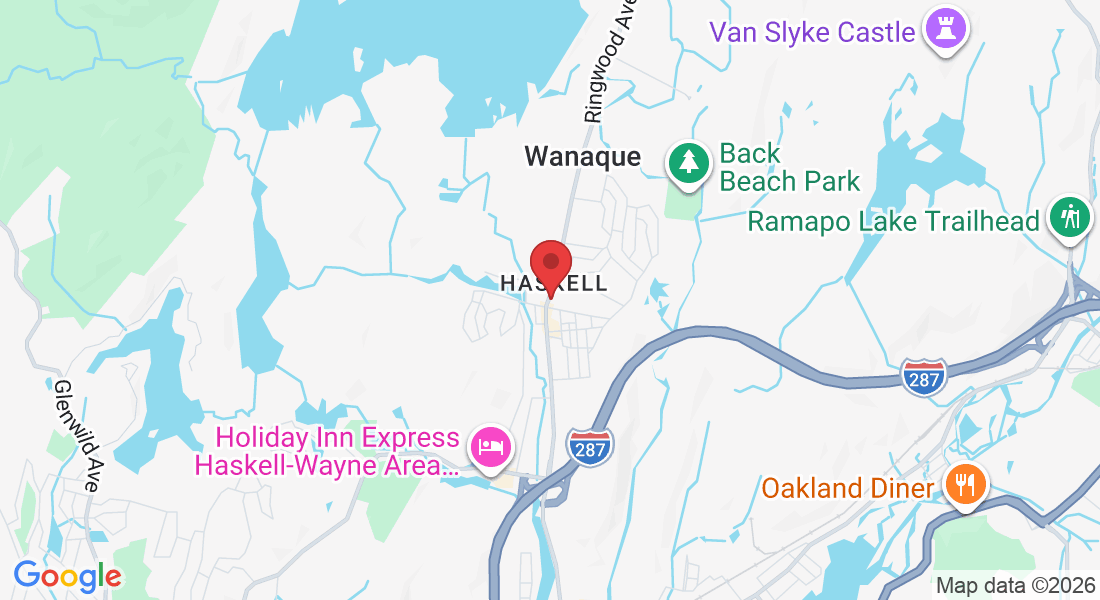


Ready for hassle-free pharmacy service? Call (973 835-9111 to transfer your prescriptions to Kressaty's Pharmacy, or stop by 1068 Ringwood Ave #1, Haskell, NJ 07420, United States to speak with our friendly team today!!
More
© Copyright 2026. Kressaty's pharmacy . All rights reserved.
Facebook
Instagram