Hours:
Mon-Friday 9am - 6pm
Saturday 9am - 2pm
Sunday Closed
Follow Us On:
Kressaty’s Pharmacy
Serving Haskell with Personalized Care &
Free Delivery
At our Kressaty's pharmacy in Haskell, we create tailored medications to meet your unique healthcare needs. Trust us as your local pharmacy, safe, effective, and personalized solutions that prioritize your well-being.
Providing Personalized Care and Trusted Solutions.
At our Kressaty's pharmacy, we create tailored medications to meet your unique healthcare needs. Trust us for safe, effective, and personalized solutions that prioritize your well-being.
Explore Our Services

Comprehensive health assessments to detect potential medical conditions early. Our screenings include blood pressure checks, cholesterol tests, blood glucose monitoring, and more. Tailored for individuals and corporate wellness programs, these tests help you stay proactive about your health with accurate, confidential results.
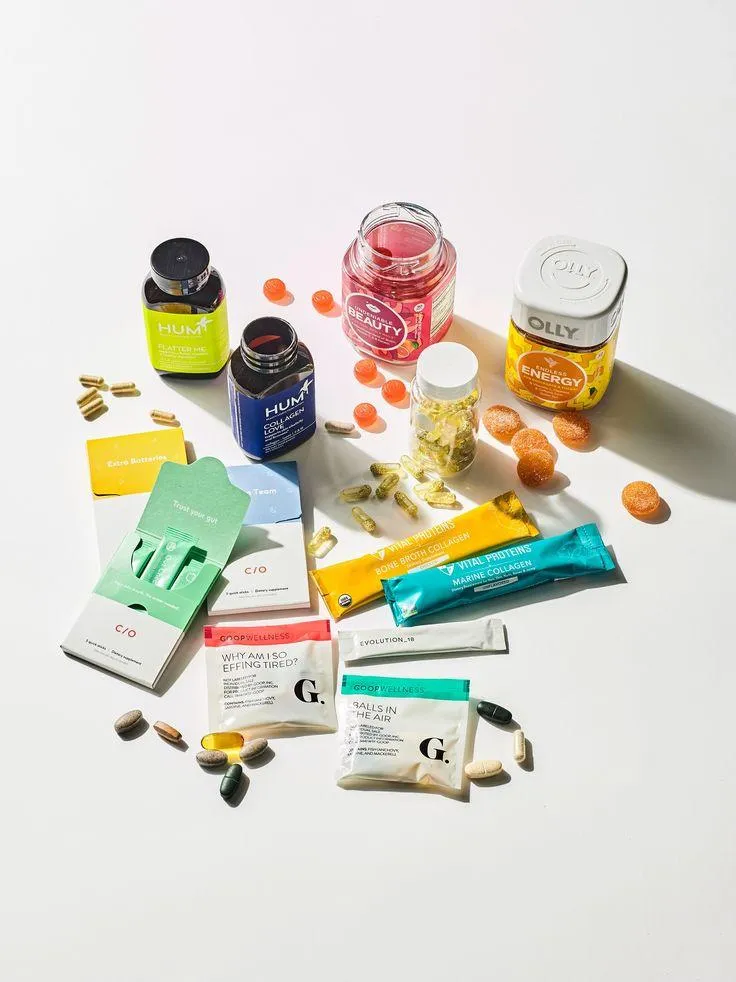
Access trusted healthcare and wellness brands all in one place. We partner with top pharmaceutical and medical product manufacturers to provide high-quality medications, supplements, and health essentials. Whether you need prescription drugs or over-the-counter products, we ensure authenticity and reliability.
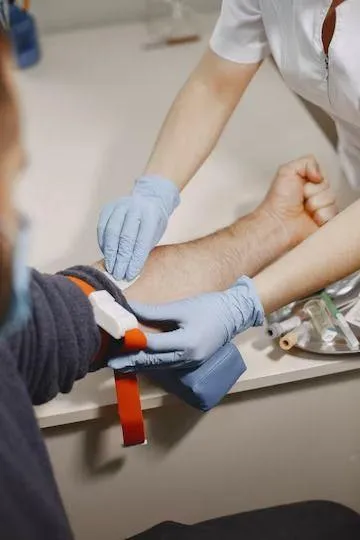
Protect yourself and your family with our vaccination services. We offer flu shots, travel vaccines (e.g., yellow fever, hepatitis), and routine immunizations (e.g., HPV, tetanus). Administered by certified professionals in a safe, sterile environment.

Convenient access to a wide range of non-prescription medications for common ailments like colds, allergies, pain relief, and digestive issues. Our pharmacists can guide you to the right OTC solutions, ensuring safe and effective self-care.
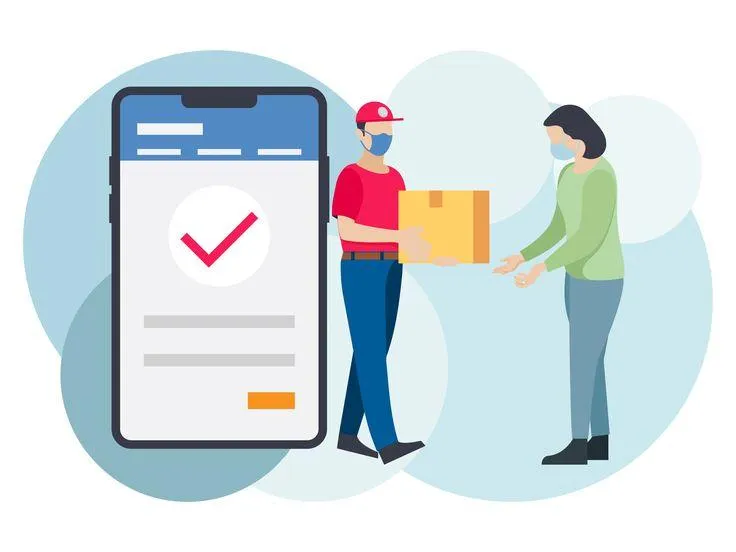
Enjoy hassle-free healthcare with our complimentary delivery service. Prescriptions, OTC medications, and wellness products are brought straight to your doorstep—fast, discreet, and with no extra cost. Perfect for busy individuals or those with limited mobility.

Personalized one-on-one consultations with healthcare experts. Discuss medication management, chronic conditions, or general wellness strategies. Our goal is to empower you with knowledge and customized care plans for optimal health outcomes.
Kressaty’s Pharmacy: Your Trusted Neighborhood Healthcare Partner
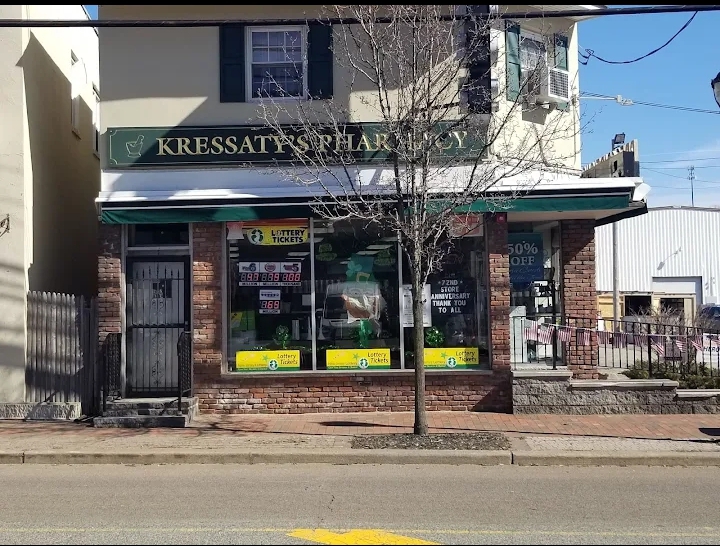
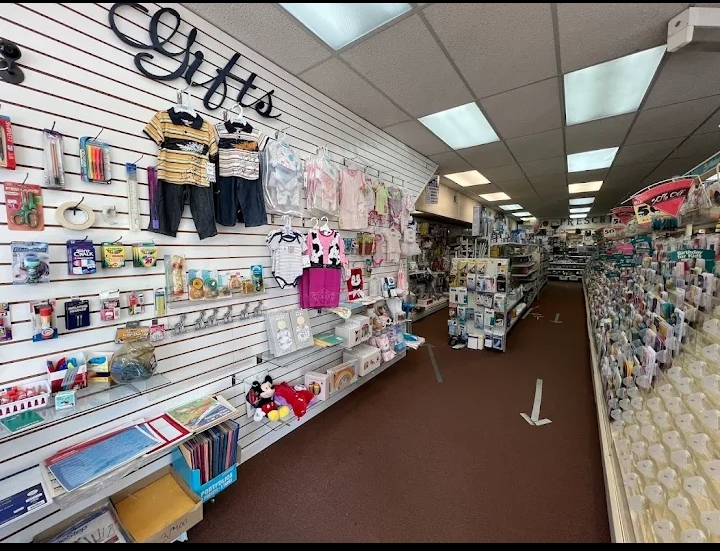
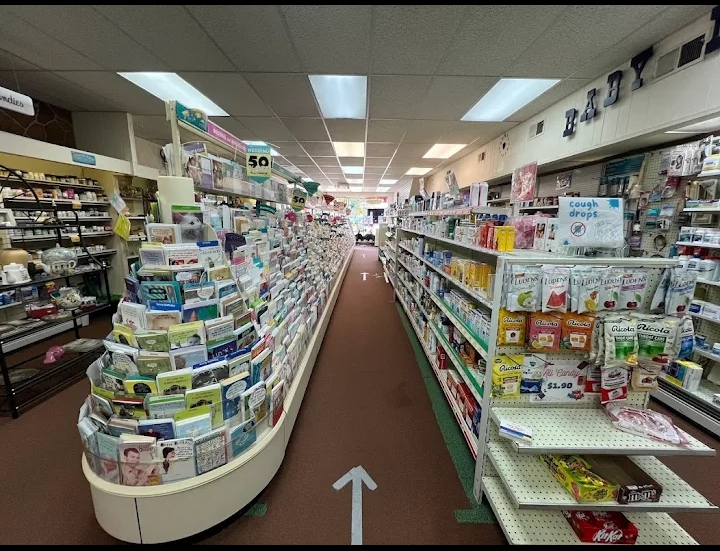
For nearly seven decades, Kressaty’s Pharmacy has been a cornerstone of health and wellness in our community, carrying forward Fred Kressaty's original vision of compassionate, personalized care. We blend time-honored values with modern healthcare solutions, offering expert prescription services, immunizations, health screenings, and quality wellness products – all delivered with the personal touch that's made us a trusted neighborhood institution.
Our dedicated team provides the same attentive service that generations have come to rely on, now enhanced with convenient offerings like free local delivery. At Kressaty’s, we're proud to continue a tradition of putting your health first, just as we've done for nearly 70 years.
Visit us today and experience healthcare the way it should be – where you're not just a patient, but part of our family.
What Sets Us Apart

Free Rx Delivery – Straight to Your Door
Medication Reviews – Safe & Effective
Prior Authorization Help – Faster Approvals
Blister Packs – Simplified Daily Doses
Generics & Diabetic Supplies – Affordable Care
Vaccines Here – Flu, COVID & More
Insurance Welcome – Easy Transfers
Fast Refills – No Wait, No Stress
Vitamins & Supplements – Wellness Made Easy
Our Mission
To Know You and Care for You
We believe great healthcare begins with knowing the person behind the prescription. Our pharmacists take time with every patient - reviewing medications, answering questions, and providing wellness guidance tailored to your unique health journey.
To Serve as Your Health Ally
As your neighbor since 1947, we've grown alongside our community. We remember your family's health history, celebrate your milestones, and stand ready to support your wellbeing through every life stage.
To Honor Tradition While Embracing Progress
While maintaining Fred Kressaty's original values of compassion and integrity, we continually enhance our services to meet modern needs.At Kressaty's, your health isn't just our business - it's our calling.

Thyroid Medication Timing: Why Levothyroxine Needs an Empty Stomach (And What Blocks It)
Thyroid Medication Timing: Why Levothyroxine Needs an Empty Stomach (And What Blocks It)
The Science Behind Optimal Thyroid Medication Timing: Why Precision Matters
Levothyroxine is a synthetic form of thyroxine (T4), the hormone naturally produced by your thyroid gland. When you have hypothyroidism, your body isn't making enough T4, so levothyroxine steps in to replenish those levels. Once absorbed, this T4 is converted into T3, the active form of the hormone that fuels practically every cell in your body, influencing metabolism, energy, mood, and more. The critical factor here is *absorption*. For levothyroxine to work effectively, it needs to be fully absorbed from your gastrointestinal tract into your bloodstream. And this is where the environment in your stomach and intestines becomes incredibly important. Think of your stomach as a delicate chemical laboratory. For levothyroxine, this lab needs to be as clean and neutral as possible for the best results. Any interference—be it food, specific beverages, or other medications—can significantly reduce the amount of T4 that actually makes it into your system, leading to lower-than-optimal thyroid hormone levels, even if you’re taking the prescribed dose. This is why consistent *thyroid medication timing* is not just a suggestion, but a fundamental pillar of effective treatment.The Usual Suspects: What Blocks Levothyroxine Absorption
This is where many well-intentioned morning habits can go awry. Several common items can dramatically reduce the absorption of your levothyroxine, turning your carefully calculated dose into a fraction of its intended strength. Let's talk about the big one first: **levothyroxine and coffee**. I know, it’s often the first thing we reach for. However, multiple studies have shown that coffee significantly interferes with levothyroxine absorption. The exact mechanism isn't fully understood, but it's believed to be due to factors like the tannins in coffee and its effect on gut motility and pH. Even a small amount of coffee taken too close to your pill can drastically reduce its effectiveness. Beyond coffee, here's a list of other common blockers: * **Calcium Supplements and Calcium-Fortified Foods**: Calcium carbonate and calcium citrate can bind to levothyroxine, preventing its absorption. This includes dairy products like milk, yogurt, and cheese, as well as calcium-fortified orange juice or cereals. * **Iron Supplements**: Like calcium, iron can chelate (bind to) levothyroxine, making it unavailable for absorption. This includes iron in multivitamins. * **Antacids**: Medications containing aluminum or magnesium (often found in antacids) can interfere with absorption. Proton Pump Inhibitors (PPIs) and H2 blockers, used for acid reflux, also alter stomach pH, which can affect levothyroxine dissolution. * **High-Fiber Foods**: A breakfast rich in fiber (think oatmeal, whole-grain bread, certain fruits) can sometimes bind to thyroid hormone and speed its transit through the digestive system, reducing absorption time. * **Soy Products**: Soy has been shown to potentially interfere with levothyroxine absorption. * **Certain Other Medications**: Cholestyramine (for cholesterol), sucralfate (for ulcers), and some antidepressants can also affect absorption. Always discuss all your medications and supplements with your doctor. The key takeaway is that virtually *any food* or drink other than plain water can create an environment that hinders absorption.Mastering Your Morning Routine: Practical Tips for Optimal Absorption
So, what’s the golden rule for *how to take levothyroxine* effectively? It boils down to consistency and separation. 1. **Take it First Thing in the Morning, With Water Only**: The ideal time is immediately upon waking, with a full glass of plain water. This ensures your stomach is completely empty. 2. **Wait at Least 30-60 Minutes Before Food or Coffee**: This is the non-negotiable step. Give your body ample time to absorb the medication before introducing anything else. For many, a 30-minute wait is sufficient, but some doctors recommend an hour to be extra safe, especially if absorption issues persist. 3. **Space Out Other Supplements and Medications**: * **Calcium and Iron**: Wait at least **4 hours** after taking levothyroxine before taking these supplements. * **Antacids/PPIs**: Discuss with your doctor. You may need to take them at different times of the day, completely separate from your levothyroxine. * **High-Fiber Meals**: If you eat a high-fiber breakfast, consider increasing your waiting time to 60 minutes or more. 4. **Consistency is Key**: Take your medication at the same time every single day. Your body thrives on routine, and consistent timing helps maintain stable hormone levels. 5. **Consider a Nighttime Dose (With Doctor's Approval)**: For some individuals who struggle with morning routines or have absorption issues, taking levothyroxine at night (at least 3-4 hours after your last meal) can be an option. This should always be discussed and approved by your endocrinologist.The Ripple Effect: Benefits of Proper Levothyroxine Intake
By diligently following these guidelines, you're not just taking a pill; you're actively optimizing your health. Proper adherence to *thyroid medication timing* ensures your body receives the full, consistent dose of levothyroxine it needs. This translates to: * **Stable TSH Levels**: Your thyroid stimulating hormone (TSH) levels, which your doctor monitors, will be more consistently within the target range. * **Improved Symptoms**: You'll likely experience better energy levels, improved mood, easier weight management, less brain fog, and a reduction in other hypothyroid symptoms. * **Better Quality of Life**: When your thyroid hormones are balanced, your overall well-being significantly improves. * **Avoidance of Unnecessary Dose Adjustments**: Often, if TSH levels are off, doctors might increase your dose, when in reality, improved absorption from better timing might be all that's needed.Frequently Asked Questions About Levothyroxine Timing
Navigating the nuances of thyroid medication can bring up many questions. Here are some of the most common ones I encounter:How long after taking levothyroxine can I eat?
Generally, you should wait at least 30 to 60 minutes after taking levothyroxine before eating any food. This allows for optimal absorption of the medication into your bloodstream before food can interfere.Can I take levothyroxine with milk or juice instead of water?
No, it's best to take levothyroxine with plain water only. Milk contains calcium, which can interfere with absorption, and juices, especially those fortified with calcium or high in fiber, can also reduce the medication's effectiveness.Is it okay to take levothyroxine at night instead of the morning?
Taking levothyroxine at night can be an effective alternative for some people, especially those who struggle with morning routines. However, you must ensure you take it at least 3-4 hours after your last meal and snack. Always discuss this change with your doctor before switching your dosing schedule.What medications should I absolutely avoid taking with levothyroxine?
You should avoid taking calcium supplements, iron supplements, antacids containing aluminum or magnesium, proton pump inhibitors (PPIs), and certain bile acid sequestrants (like cholestyramine) at the same time as levothyroxine. Always space these out by at least 4 hours, and ideally, discuss a schedule with your prescribing physician.Does drinking coffee immediately after levothyroxine really make a difference?
Yes, it absolutely does. Studies have consistently shown that drinking coffee too soon after taking levothyroxine significantly reduces its absorption, sometimes by as much as 30-40%. This can lead to under-treatment of your hypothyroidism, despite taking your prescribed dose.My Final Thoughts on Optimal Thyroid Treatment
Taking your levothyroxine correctly is one of the simplest yet most impactful steps you can take to manage your hypothyroidism effectively. It’s more than just remembering to take a pill; it’s about understanding the delicate dance between your medication and your daily habits. By committing to taking your levothyroxine on an empty stomach and being mindful of potential blockers like *levothyroxine and coffee* and calcium, you empower your body to truly benefit from your treatment. If you’ve been struggling with your thyroid symptoms or have concerns about *how to take levothyroxine*, please don't hesitate to speak with your healthcare provider. They can offer personalized advice, review your current medication schedule, and help you find the routine that works best for you. Your journey to optimal thyroid health is a partnership, and understanding these crucial details is a powerful step forward.
Frequently Asked Questions
Q:
Do you charge for medication delivery?
No, our delivery service is completely free.
Q:
Can you transfer my prescription from another pharmacy?
Yes! We handle all the transfer paperwork for you.
Q:
What is MTM Service?
MTM (Medication Therapy Management) is a free consultation to ensure your medicines work safely and effectively together.
Q:
Do you offer vaccines?
Absolutely — we provide flu shots, COVID vaccines, and other essential immunizations
Get in touch with us
We’re always here to help. Whether you have questions about your prescription, insurance coverage, our services, or simply need assistance, feel free to reach out. You can visit us at our location, give us a call, or send us a message through our contact form.
Our friendly team is dedicated to providing quick, helpful responses and making sure your experience with Kressaty's Pharmacy is smooth and stress-free. Let’s stay connected—your health is our priority.
+1 973-835-9111
1068 Ringwood Ave #1, Haskell, NJ 07420, United States
Hours
Mon-Friday 9am - 6pm
Saturday 9am - 2pm
Sunday Closed


Ready for hassle-free pharmacy service? Call (973 835-9111 to transfer your prescriptions to Kressaty's Pharmacy, or stop by 1068 Ringwood Ave #1, Haskell, NJ 07420, United States to speak with our friendly team today!!
More
© Copyright 2026. Kressaty's pharmacy . All rights reserved.
Facebook
Instagram