Hours:
Mon-Friday 9am - 6pm
Saturday 9am - 2pm
Sunday Closed

Follow Us On:
Our Blogs
How to Read a Blood Sugar Number Without Panicking
How to Read a Blood Sugar Number Without Panicking
Demystifying Your Blood Sugar Numbers: What's Normal?
Let's break down the different types of blood sugar numbers you might see and what they generally indicate. Understanding these benchmarks is the first step to feeling more in control and less anxious about your health.Fasting Blood Sugar
This is your blood sugar level after you haven't eaten or drunk anything (except water) for at least 8 hours. It's often the first indicator clinicians look at. * **Normal:** Below 100 mg/dL (5.6 mmol/L) * **Prediabetes:** 100 to 125 mg/dL (5.6 to 6.9 mmol/L) – This range means your blood sugar is higher than normal but not yet high enough to be diagnosed with type 2 diabetes. It’s a crucial time to make lifestyle changes. * **Diabetes:** 126 mg/dL (7.0 mmol/L) or higher on two separate tests.Post-Meal (Two Hours After Eating)
This measurement checks how your body processes sugar after a meal. It's often done as part of a `glucose screening Haskell` residents might undergo or for those already managing diabetes. * **Normal:** Below 140 mg/dL (7.8 mmol/L) * **Prediabetes:** 140 to 199 mg/dL (7.8 to 11.0 mmol/L) * **Diabetes:** 200 mg/dL (11.1 mmol/L) or higherHemoglobin A1C (Glycated Hemoglobin)
The A1C test gives you an average of your blood sugar levels over the past 2-3 months. It's an excellent overall picture and isn't affected by short-term fluctuations from food or activity on a given day. * **Normal:** Below 5.7% * **Prediabetes:** 5.7% to 6.4% * **Diabetes:** 6.5% or higher Seeing numbers in the prediabetes range can feel alarming, but I want to reassure you: it's a call to action, not a cause for despair. Many people in this stage can prevent or delay type 2 diabetes through lifestyle modifications. If you’re located in or near Haskell, understanding these numbers is an important part of your overall wellness.Why a Glucose Screening in Haskell Matters for Your Health
Regular health check-ups and screenings are cornerstones of preventive care, and a `glucose screening Haskell` offers is no exception. These screenings are not just for those already diagnosed with diabetes; they're vital for everyone, especially if you have risk factors. Think of it as an early warning system. Catching elevated blood sugar levels early, even if they're in the prediabetes range, gives you the power to make changes that can dramatically impact your long-term health. Taking part in these screenings can help identify potential issues before they develop into full-blown type 2 diabetes, a condition that can lead to serious health complications if left unmanaged. It's about being proactive, understanding your baseline, and working with healthcare professionals to maintain optimal health. Don't wait for symptoms to appear; get screened and understand where you stand.Beyond the Number: Lifestyle and Management Strategies
Once you understand your blood sugar numbers, the next step is often to consider what actions you can take. Whether your numbers are perfectly normal and you want to keep them that way, or if you're in the prediabetes or diabetes range, lifestyle plays a monumental role. Here are some key areas to focus on: * **Balanced Diet:** Prioritize whole, unprocessed foods. Focus on plenty of vegetables, lean proteins, and complex carbohydrates like whole grains. Limiting sugary drinks and highly processed foods can make a significant difference. * **Regular Physical Activity:** Aim for at least 150 minutes of moderate-intensity aerobic exercise per week, plus strength training a couple of times a week. Even a brisk daily walk can improve insulin sensitivity and help your body use glucose more efficiently. * **Weight Management:** If you're overweight, even a modest weight loss can greatly improve blood sugar control. Losing 5-7% of your body weight can significantly reduce your risk of developing type 2 diabetes if you have prediabetes. * **Stress Reduction:** Chronic stress can elevate blood sugar levels. Incorporate stress-reducing activities into your routine, such as meditation, yoga, deep breathing exercises, or spending time in nature. * **Adequate Sleep:** Poor sleep can negatively impact insulin sensitivity and blood sugar control. Aim for 7-9 hours of quality sleep per night. Implementing these changes might seem daunting at first, but remember you don’t have to do it alone. There are many resources available to guide you.When to Seek Diabetes Help in Haskell NJ
It’s crucial to know when to reach out for professional guidance. If your blood sugar readings consistently fall into the prediabetes or diabetes ranges, or if you're experiencing symptoms like increased thirst, frequent urination, unexplained weight loss, blurred vision, or persistent fatigue, it's definitely time to seek `diabetes help Haskell NJ` healthcare providers can offer. A doctor can confirm a diagnosis, discuss medication options if necessary, and connect you with resources like dietitians or diabetes educators. These professionals can provide personalized advice on nutrition, exercise, and how to manage your condition effectively. Early intervention and ongoing management are key to preventing complications and maintaining a good quality of life. Don't hesitate to take that important step for your health.Your Local Pharmacist: A Partner in Health in Haskell
One of the most accessible and often underutilized healthcare resources right in your community is your `local pharmacist Haskell`. Beyond dispensing prescriptions, your pharmacist is a highly trained healthcare professional who can offer a wealth of information and support regarding blood sugar management. Think of the ways your pharmacist can help: * **Understanding Medications:** If you're prescribed medication for diabetes or prediabetes, your pharmacist can explain how it works, potential side effects, and how to take it correctly. * **Blood Glucose Meter Training:** They can teach you how to use a blood glucose meter properly, ensuring accurate readings at home. * **Lifestyle Advice:** Pharmacists can provide practical tips on diet and exercise that complement your medication and doctor's advice. * **Monitoring and Follow-up:** Many pharmacies offer services like blood pressure and blood sugar monitoring, providing an additional layer of care and helping you track your progress. * **Answering Your Questions:** They are readily available to answer your questions about your condition, your readings, or general wellness concerns, often without the need for an appointment. Building a relationship with your local pharmacy team means having a trusted point of contact for ongoing support and information, making your health journey feel much less overwhelming.People Also Asked (FAQs)
Navigating blood sugar can bring up many questions. Here are some of the most commonly asked ones, with straightforward answers to help you understand better.What are the ideal blood sugar levels for someone without diabetes?
For someone without diabetes, ideal fasting blood sugar is typically below 100 mg/dL, and two hours after eating, it should be below 140 mg/dL. An A1C level below 5.7% is also considered normal.
How often should I check my blood sugar if I don't have diabetes?
If you don't have diabetes and no specific risk factors, routine checks are usually done during annual physical exams or as recommended by your doctor. If you have risk factors for prediabetes or diabetes, your doctor may recommend more frequent screenings, such as a yearly glucose screening.
Can diet alone reverse high blood sugar?
For many people with prediabetes or early-stage type 2 diabetes, significant lifestyle changes, especially dietary modifications combined with regular exercise and weight management, can effectively bring blood sugar levels back into a healthy range or prevent progression. It's always best to discuss this with your doctor.
Where can I get reliable diabetes help in Haskell NJ?
You can find reliable diabetes help in Haskell, NJ, by consulting your primary care physician, who can refer you to endocrinologists, dietitians, or diabetes educators. Additionally, your local pharmacist is an excellent resource for medication management and general advice.
What's the difference between type 1 and type 2 diabetes?
Type 1 diabetes is an autoimmune condition where the body does not produce insulin. Type 2 diabetes, which is much more common, occurs when the body doesn't produce enough insulin or doesn't use insulin effectively (insulin resistance). Lifestyle factors play a significant role in type 2 diabetes, while type 1 is not preventable.
Conclusion: Empowering Your Health Journey
Seeing a blood sugar number doesn't have to be a source of immediate panic. Instead, view it as valuable information, a piece of the puzzle that helps you understand your body better. By knowing what different numbers mean, understanding the importance of screenings like a `glucose screening Haskell` provides, and adopting healthy lifestyle choices, you can take significant steps toward managing your health proactively. Remember, you have a wealth of resources at your disposal, from your doctor to the readily available `diabetes help Haskell NJ` offers through local clinics and, of course, your friendly `local pharmacist Haskell`. Don't hesitate to reach out to these experts. They are there to empower you, answer your questions, and guide you on your journey to better health. Take control, stay informed, and most importantly, stay calm.
Frequently Asked Questions
Q:
Do you charge for medication delivery?
No, our delivery service is completely free.
Q:
Can you transfer my prescription from another pharmacy?
Yes! We handle all the transfer paperwork for you.
Q:
What is MTM Service?
MTM (Medication Therapy Management) is a free consultation to ensure your medicines work safely and effectively together.
Q:
Do you offer vaccines?
Absolutely — we provide flu shots, COVID vaccines, and other essential immunizations
Get in touch with us
We’re always here to help. Whether you have questions about your prescription, insurance coverage, our services, or simply need assistance, feel free to reach out. You can visit us at our location, give us a call, or send us a message through our contact form.
Our friendly team is dedicated to providing quick, helpful responses and making sure your experience with Kressaty's Pharmacy is smooth and stress-free. Let’s stay connected—your health is our priority.
+1 973-835-9111
1068 Ringwood Ave #1, Haskell, NJ 07420, United States
Hours
Mon-Friday 9am - 6pm
Saturday 9am - 2pm
Sunday Closed
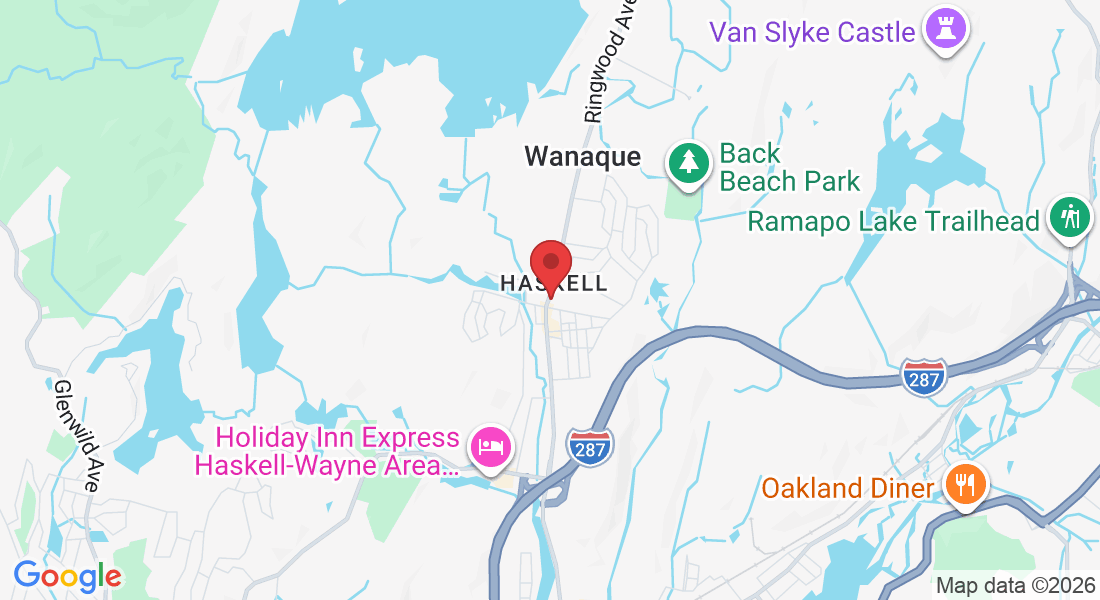


Ready for hassle-free pharmacy service? Call (973 835-9111 to transfer your prescriptions to Kressaty's Pharmacy, or stop by 1068 Ringwood Ave #1, Haskell, NJ 07420, United States to speak with our friendly team today!!
More
© Copyright 2026. Kressaty's pharmacy . All rights reserved.
Facebook
Instagram